


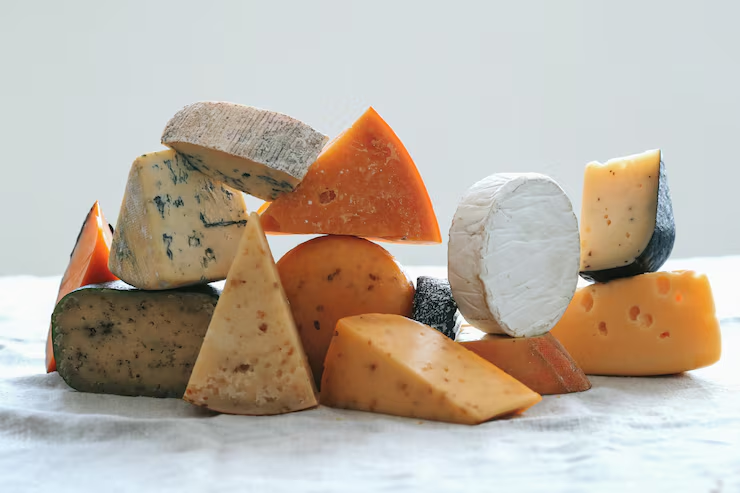
European cheese インクル子ども英会話浜松市
英語のブログ
インクル英会話のネイティブ先生のブログから英語を勉強しましょう。
A Simple Guide to European Cheese
When people think of European food, cheese is often one of the first things that comes to mind. Europe has a long history of cheese-making, and each country has its own styles, flavors, and traditions. In this post, we will look at some popular types of European cheese and learn useful English vocabulary along the way.
1. What is cheese?
Cheese is a food made from milk. Usually, it comes from cow’s milk, but it can also be made from goat’s milk or sheep’s milk. The milk is processed and aged (kept for a period of time) to create different textures and flavors.
Soft cheese: smooth and creamy
Hard cheese: firm and often strong in flavor
Aged cheese: cheese that has been stored for a long time
2. Famous European cheeses
Here are some well-known cheeses from Europe:
France
Camembert: soft and creamy, with a white rind (outer layer)
Brie: similar to Camembert but milder in taste
Italy
Mozzarella: soft and often used on pizza
Parmesan: hard and salty, usually grated over pasta
Switzerland
Emmental: has large holes and a mild, nutty flavor
United Kingdom
Cheddar: one of the most popular cheeses in the world, firm and slightly sharp
3. How do people eat cheese?
In Europe, people eat cheese in many different ways:
On bread or crackers
With wine
As part of a meal (for example, pasta or pizza)
As a snack
In some countries, cheese is also eaten after the main meal, almost like dessert.
4. Cheese culture vs. Japan
In Japan, cheese is popular, but the variety is smaller compared to Europe. Many Japanese people are more familiar with processed cheese or mild flavors. European cheeses can sometimes taste very strong or have a unique smell, which may be surprising at first.
However, trying different cheeses can be a fun way to experience new cultures.
5. Useful English expressions
Here are some simple phrases you can use:
“This cheese is very creamy.”
“It has a strong smell.”
“I prefer mild cheese.”
“This goes well with bread.”
6. Final thoughts
European cheese is diverse and full of history. Even if you are not used to strong flavors, it is worth trying different types to find your favorite. Next time you visit a supermarket or import shop in Japan, why not pick up a new cheese and give it a try?
自動翻訳
ヨーロッパのチーズ入門
ヨーロッパの食べ物といえば、チーズが真っ先に思い浮かぶ人も多いでしょう。ヨーロッパには長いチーズ作りの歴史があり、国ごとに独自のスタイル、風味、伝統があります。この記事では、人気のヨーロッパチーズをいくつか紹介し、その過程で役立つ英語の単語も学んでいきましょう。
1. チーズとは?
チーズは牛乳から作られる食品です。通常は牛乳が使われますが、山羊乳や羊乳から作られることもあります。牛乳を加工し、熟成(一定期間保存)させることで、さまざまな食感や風味が生まれます。
ソフトチーズ:滑らかでクリーミー
ハードチーズ:硬く、風味が強いことが多い
熟成チーズ:長期間保存されたチーズ
2. ヨーロッパの有名なチーズ
ヨーロッパの代表的なチーズをいくつかご紹介します:
フランス
カマンベール:滑らかでクリーミー、白い皮(外層)がある
ブリー:カマンベールに似ていますが、味はよりマイルドです
イタリア
モッツァレラ:柔らかく、ピザによく使われます
パルメザン:硬く塩味が強く、通常はパスタの上にすりおろして使われます
スイス
エメンタール:大きな穴があり、マイルドでナッツのような風味があります
イギリス
チェダー:世界で最も人気のあるチーズの一つで、硬く、少しピリッとした風味があります
3. チーズはどのように食べられているのか?
ヨーロッパでは、チーズはさまざまな方法で食べられています:
パンやクラッカーに乗せて
ワインと一緒に
食事の一部として(例えば、パスタやピザなど)
おやつとして
国によっては、メインの食事の後に、まるでデザートのようにチーズを食べることもあります。
4. チーズ文化と日本
日本ではチーズは人気がありますが、ヨーロッパに比べると種類は少ないです。多くの日本人は、プロセスチーズやマイルドな味のチーズに馴染みがあります。ヨーロッパのチーズは、味が非常に濃厚だったり独特の香りがあったりすることがあり、最初は驚くかもしれません。
しかし、さまざまなチーズを試すことは、新しい文化を体験する楽しい方法になるでしょう。
5. 役立つ英語の表現
以下は、使える簡単なフレーズです:
「このチーズはとてもクリーミーですね。」
「香りが強いですね。」
「私はマイルドなチーズが好きです。」
「これはパンによく合いますね。」
6. まとめ
ヨーロッパのチーズは種類が豊富で、歴史に彩られています。強い風味に慣れていなくても、さまざまな種類を試して、お気に入りの一品を見つける価値は十分にあります。今度、日本のスーパーや輸入食品店に行った際は、新しいチーズを手に取って試してみてはいかがでしょうか?
 テレビCM
テレビCM インクルブログ
 カレンダー
カレンダー 英検結果
英検結果


 無料体験・お問合せ
 053-434-4821